

PILLAR FOUR: ENVIRONMENTAL CONSERVATION AND CLIMATE CHANGE
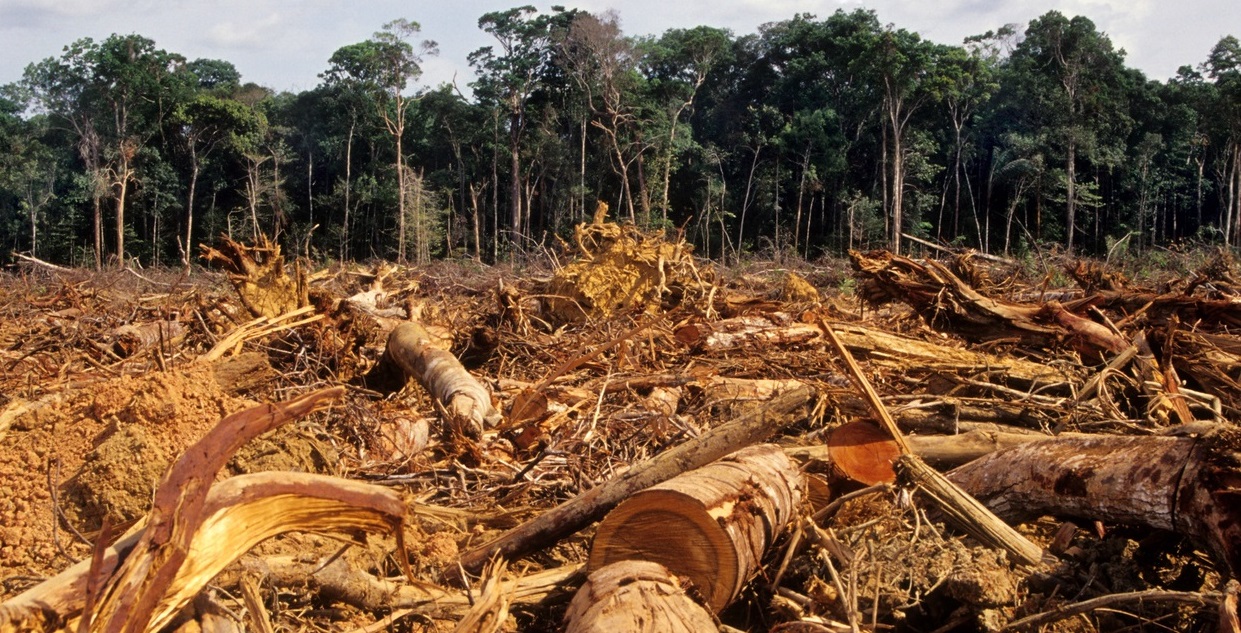
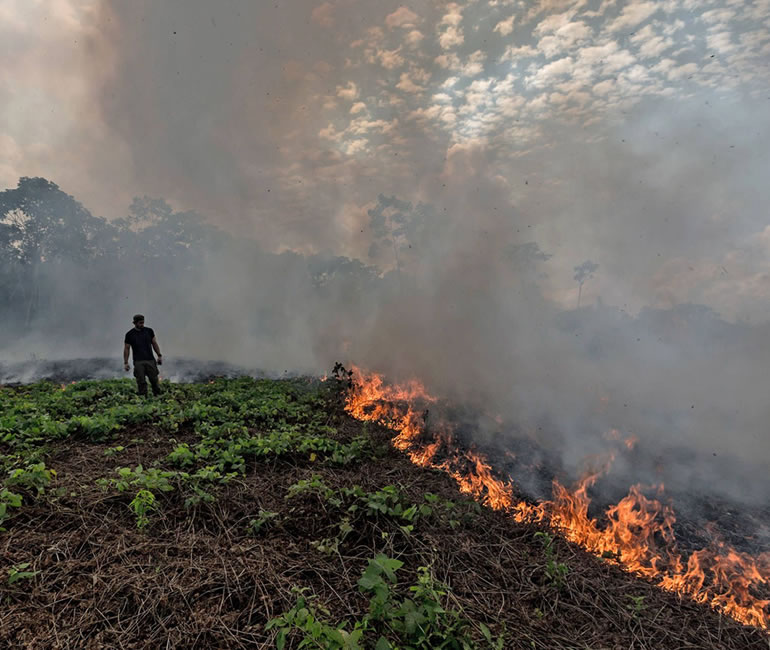
RSF recognizes the pressing need for environmental conservation and addressing the challenges of climate change, especially in less developed countries. The impact of these issues can be felt by all members of the community, including vulnerable groups like the elderly, widows, and orphans. Through education, advocacy, and community engagement, RSF seeks to promote sustainable practices and mitigate the effects of climate change, while improving the overall well-being of the community. This includes initiatives like tree planting, waste management, and energy conservation, as well as education on sustainable agriculture and responsible resource use.
PROSPECTIVES
- Reforestation and forest conservation efforts that include involving local communities to plant new trees, protect existing forests from logging and deforestation, and raise awareness about the importance of forest conservation.
- Sustainable agriculture and land use practices promotion: e.g. crop rotation, agroforestry, and soil conservation can help to mitigate the impacts of climate change and promote environmental conservation.
- Water resource management: Encouraging the sustainable use and management of water resources to help mitigate the impacts of climate change and promote environmental conservation.
- Waste management: Covering Improving waste management practices will help to reduce pollution and promote environmental conservation.
- Acquire land for clients to practice sustainable farming practices.
CHALLENGES
- Rampant loss of biodiversity, ecosystem degradation, and climate change.
- Need for specialist environmentalists to educate and create awareness on effects of climate change.
- Rampant loss of biodiversity, ecosystem degradation, and climate change.
- Difficulties due to the social unrests.
Our Effort's
> Reforestation and forest conservation efforts that include involving local communities to plant new trees, protect existing forests from logging and deforestation, and raise awareness about the importance of forest conservation.
> Sustainable agriculture and land use practices promotion: e.g. crop rotation, agroforestry, and soil conservation can help to mitigate the impacts of climate change and promote environmental conservation.
> Water resource management: Encouraging the sustainable use and management of water resources to help mitigate the impacts of climate change and promote environmental conservation.
> Waste management: Covering Improving waste management practices will help to reduce pollution and promote environmental conservation.
> Acquire land for clients to practice sustainable farming practices.

WHAT WE HAVE DONE
WHAT WE HAVE DONE What has been done so far is highly summarized below but the impact is very much felt in the community. The need is huge. Our means so far are greatly limited and has not covered 10% of what has to be done. We have a functional office equipped with 2 desktops,
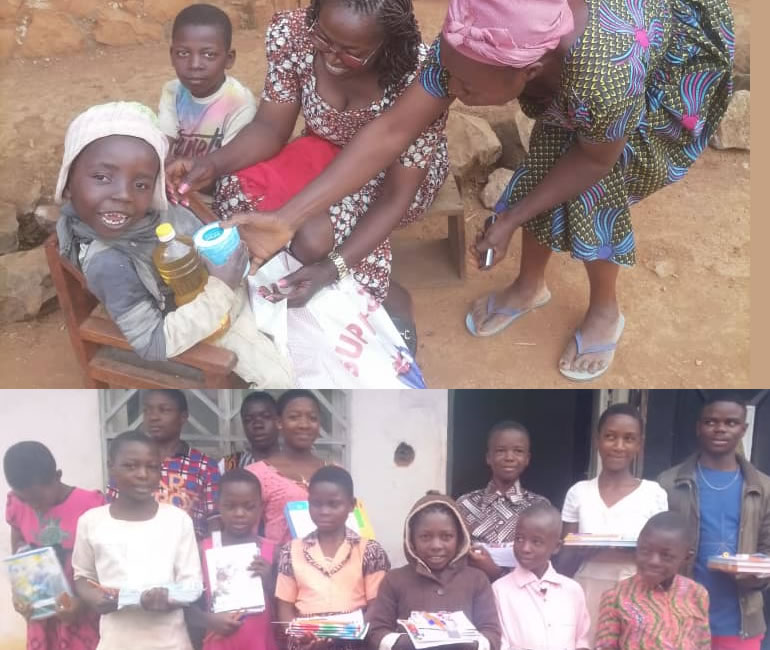
PILLAR THREE: Orphans and vulnerable children. (OVC)
PILLAR THREE: Orphans and vulnerable children Orphans and vulnerable children. (OVC) Target Group: 18 and below. RSF seeks to educate them, empower them to become independent, by providing scholarships and training them in different trades for those who are interested. Give them entrepreneurial skills. PROSPECTIVES Selection of OVCs for the RSF scholarship based on Merits
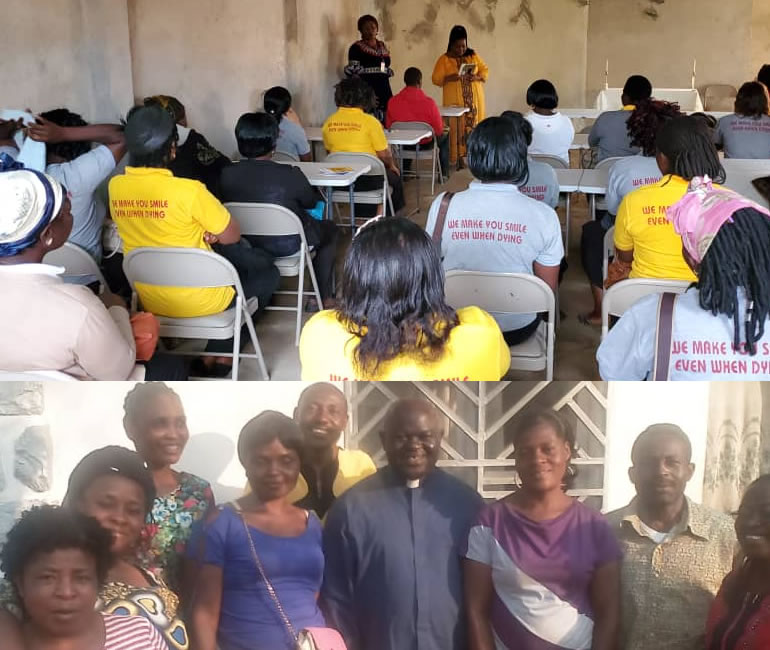
PILLAR TWO: Young Widows: Target Group is widows below 50 years
We bring them together to share their stories, get advice, get empowered financially and morally, become less vulnerable and stay happy even as widows. PROSPECTIVES Increase their roving funds to 1,000,000frs cfa. Create a cooperative/ a provision store for the marketing of their produce and products. Create a social fund to give minimal assistance to